BBQ Spring Japanese Ragout: Garden Fresh Magic
I’ve been counting down to spring all winter, and folks, it’s finally here! That means it’s time for my absolute favourite dish: BBQ Spring Japanese Ragout. This colourful medley has been my secret weapon for backyard gatherings since I discovered it three years ago. There’s something magical about how the crisp veg dances with citrus notes and that hint of wasabi that makes everyone ask for my recipe. Want to know what makes this garden-fresh creation so special?
Table of Contents
Why You’ll Love this Barbecue Spring Japanese Ragout
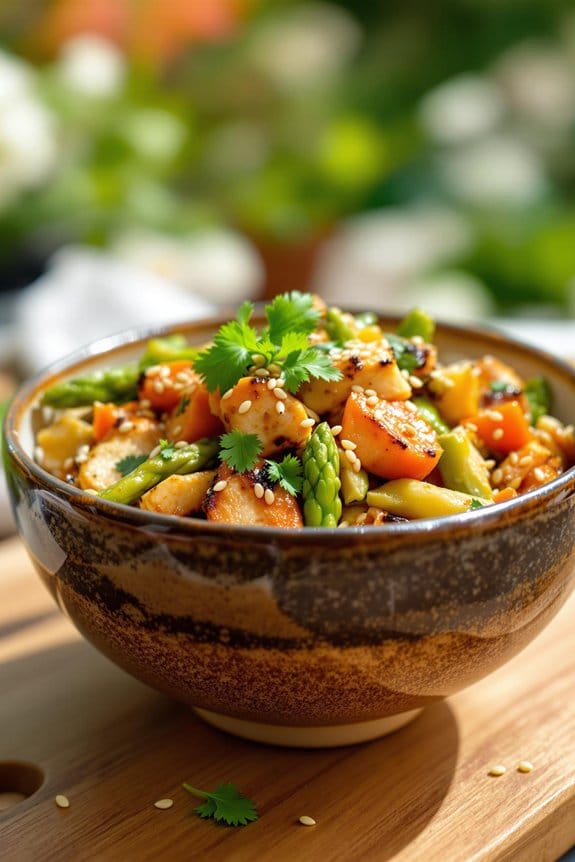
If you’re looking for a dish that perfectly captures the essence of spring while adding a delicious Japanese twist, this Barbecue Spring Japanese Ragout is about to become your new favourite.
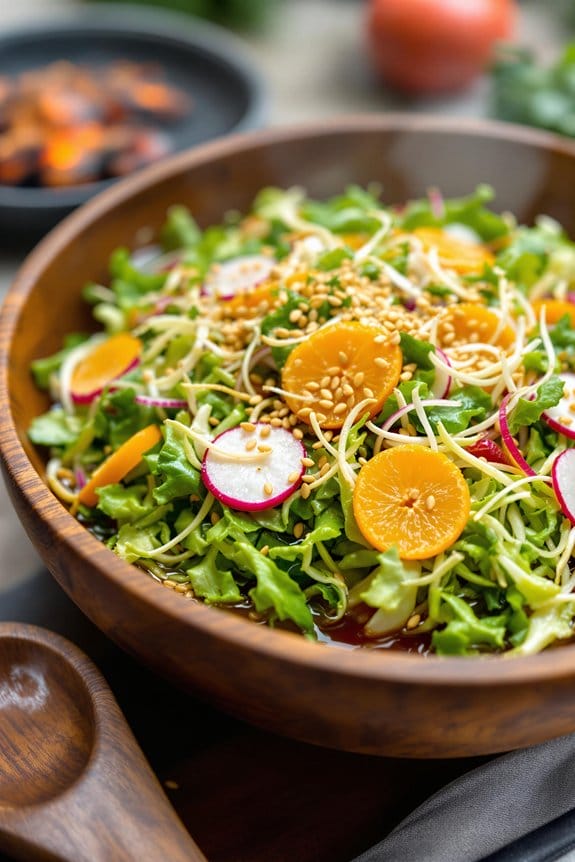
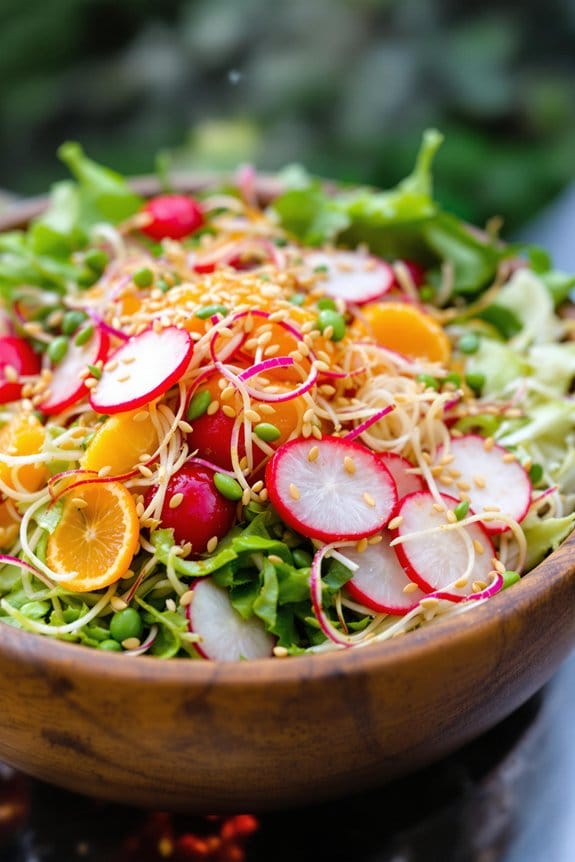
I’ve been making this dish for years, and it never fails to impress. The fresh flavours of napa cabbage, snow pea sprouts, and radishes create a lively base that screams springtime.
What I love most is how the citrusy orange segments brighten everything up!
The dressing is where the magic happens – that combo of rice wine vinegar, mirin, and a kick of wasabi balances perfectly with the seasonal vegetables.
Plus, it comes together in minutes, leaving you more time to enjoy the beautiful spring weather with your guests.
What ingredients are in barbecue spring Japanese ragout?
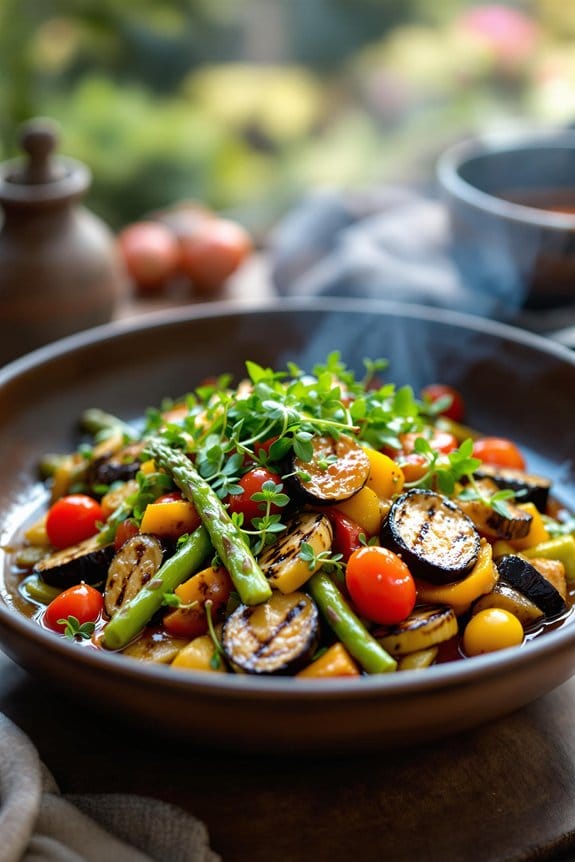
To make our BBQ Spring Japanese Ragout, you’ll need a beautiful blend of fresh spring vegetables and authentic Japanese flavours. This lively dish brings together the crispness of seasonal produce with the umami-rich dressing that gives it that distinctive Japanese character. The ingredients are simple yet create something truly special when combined.
- 4 cups shredded napa cabbage
- 2 cups snow pea sprouts or sunflower sprouts
- 2 red radishes, halved and thinly sliced
- 2 medium oranges
- 1/4 cup sesame seeds
- 1/4 cup rice wine vinegar
- 2 tablespoons mirin (sweet rice wine)
- 1 tablespoon Japanese soy sauce
- 1 tablespoon dark sesame oil
- 1 teaspoon wasabi powder
- 1/4 teaspoon salt
When shopping for these ingredients, freshness really matters. Try to find the crispest napa cabbage and the most lively sprouts you can. The quality of your Japanese staples like mirin, soy sauce and sesame oil will make a noticeable difference in the final flavour, so it’s worth investing in good-quality versions if possible. Wasabi powder can sometimes be replaced with freshly grated wasabi root if you’re feeling particularly adventurous, though the powder works perfectly well for this recipe.
How to Make this Barbecue Spring Japanese Ragout
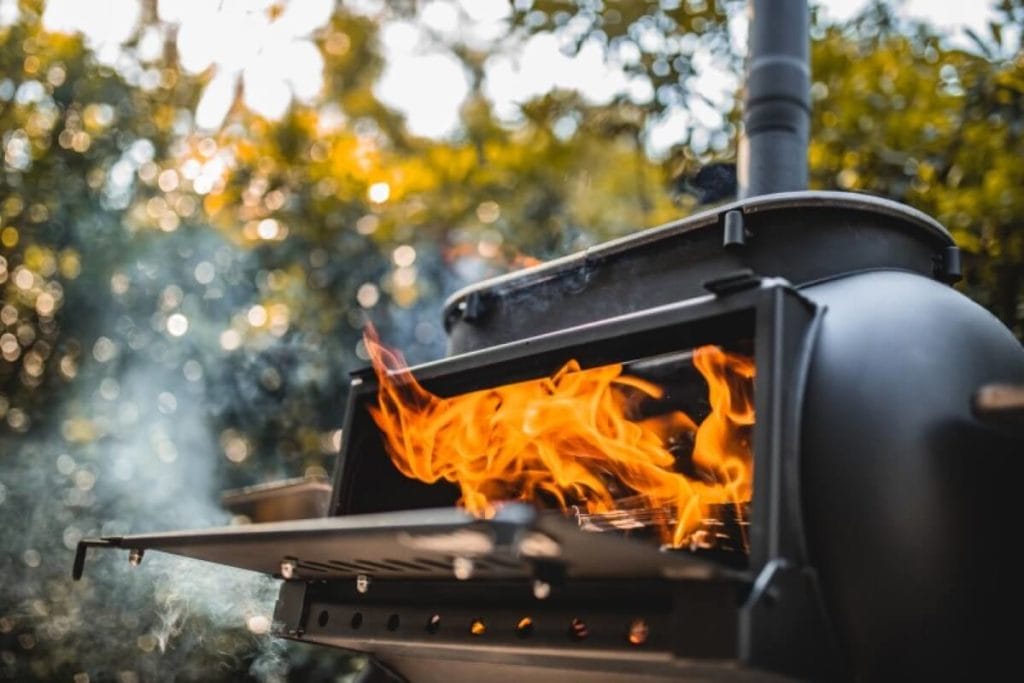
To change this Japanese Spring Vegetable Ragout into a beautiful BBQ dish, we’ll use the plancha (fire plate) method, which works brilliantly on any of our barbecue options.
Start by preparing your fresh vegetables – 4 cups of shredded napa cabbage, 2 cups of snow pea or sunflower sprouts, and 2 thinly sliced red radishes – placing them in a large heat-resistant bowl that can withstand being near the barbecue.
For your 2 medium oranges, carefully remove all the peel and white pith with a sharp knife, then cut the segments free from the membrane before cutting crosswise into small pieces.
While your barbecue heats to a medium temperature (about 180°C), toast your 1/4 cup of sesame seeds directly on the plancha or in a small cast-iron skillet placed on the grill for about 3 minutes until golden, stirring frequently to prevent burning.
Move them aside and place a small fireproof saucepan on the plancha to warm 1/4 cup rice wine vinegar, 2 tablespoons mirin, 1 tablespoon Japanese soy sauce, 1 tablespoon dark sesame oil, 1 teaspoon wasabi powder and 1/4 teaspoon salt.
The heat will help the flavours meld wonderfully – just whisk gently until everything is combined, but don’t let it boil.
Pour this warm dressing over your prepared vegetables and orange segments, tossing thoroughly to wilt the sprouts slightly.
The residual heat from the dressing creates a pleasing semi-cooked texture while maintaining the vegetables’ fresh crunch.
Let the salad stand for 10 minutes near (but not on) the barbecue, tossing occasionally to distribute the flavours.
Just before serving, sprinkle with your toasted sesame seeds for a nutty finish.
The smoky essence from the barbecue environment infuses the dish with a subtle dimension that you simply can’t achieve in a regular kitchen – making this BBQ Spring Japanese Ragout absolutely worth firing up the grill for. Additionally, using a Monolith Fire Plate ensures optimal temperature control for perfectly cooked dishes.
Barbecue Spring Japanese Ragout Substitutions and Variations
Monolith Kamado BBQ Adaptation
- Use the Fire Plate (Plancha) to quickly wilt the napa cabbage and sprouts.
- Toast sesame seeds directly on the hot plancha surface.
- Add grilled spring vegetables like asparagus or baby bok choy for a smoky flavour.
- Indirect cooking can be used to warm the dressing ingredients together.
- Consider using the Monolith Classic Fire Pot Set to expand your cooking options with additional levels and techniques.
Ozpig & Big Pig Stoves Adaptation
- Employ Plancha Cooking to sear vegetables before combining with dressing.
- Add pot-cooked spring bamboo shoots or baby carrots to enhance the ragout.
- Char orange segments briefly over direct flame for caramelised citrus flavour.
- Smoke the sesame seeds in the oven attachment for 5-10 minutes for depth.
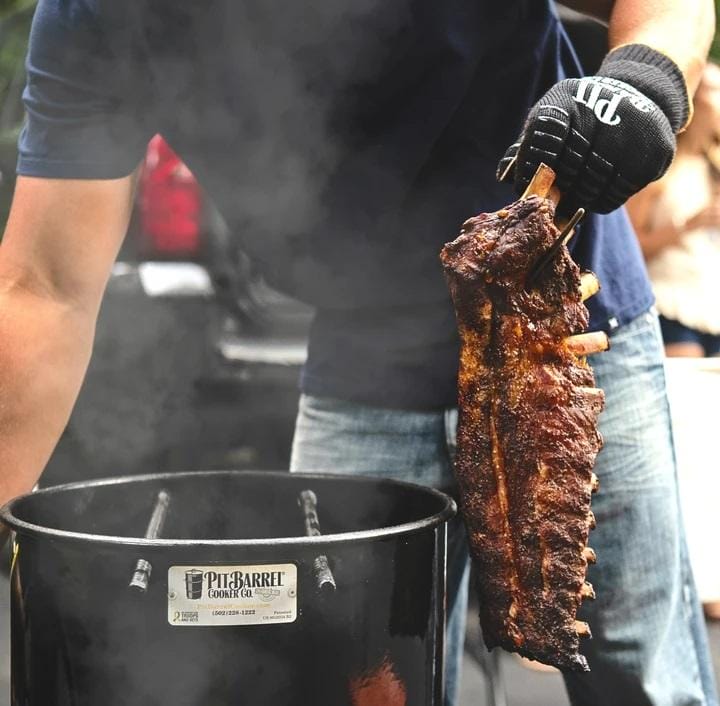
Pit Barrel Cooker Adaptation
- Hang small bundles of napa cabbage and sprouts for 3-5 minutes to impart smoke.
- Skewer radishes and grill briefly for charred edges.
- Add direct-grilled spring onions or shallots to the original recipe.
- Place dressing ingredients in a small cast iron container for warming over coals.
General Substitutions
- Replace napa cabbage with grilled radicchio or endive.
- Substitute orange segments with grilled pineapple or peaches.
- Add smoked tofu or grilled shiitake mushrooms for protein.
- Use shichimi togarashi instead of wasabi for a different heat profile.
What to Serve with Barbecue Spring Japanese Ragout
Wondering what to pair with a lively Barbecue Spring Japanese Ragout? I’ve got some perfect pairing suggestions that will make your meal shine!
For side dishes, I love serving fluffy short-grain rice that soaks up all those delicious ragout juices.
A simple cucumber sunomono (vinegared salad) adds a delightful crunch that balances the warm ragout beautifully.
Don’t overlook protein options! Grilled salmon or miso-glazed chicken thighs complement the vegetables without overwhelming them.
If you’re going vegetarian, some crispy pan-fried tofu works wonders.
For drinks, try chilled green tea or a light Japanese beer.
The subtle flavours won’t compete with your ragout’s delicate taste profile.
Trust me, these combinations will have everyone asking for seconds!

Final Thoughts
Now that we’ve investigated the perfect pairings, I’d like to share my final thoughts on this BBQ Spring Japanese Ragout.
This dish truly captures the essence of seasonal ingredients in a way that’s both accessible and exciting.
What makes this ragout special:
- The crisp texture of napa cabbage against the tender sprouts creates a beautiful contrast.
- Seasonal spring vegetables shine when prepared with minimal fuss.
- The citrus-sesame dressing transforms simple ingredients into something extraordinary.
- It’s adaptable to whatever fresh produce you can find at your local market.
I hope you’ll give this BBQ Spring Japanese Ragout a try!
The marriage of traditional Japanese flavours with spring’s bounty creates a dish that’s as nourishing as it is charming.
Frequently Asked Questions
Can this ragout be prepared a day in advance?
Yes, I’d recommend making this a day in advance. The flavours actually intensify overnight, making it perfect for meal prep. Just add the toasted sesame seeds right before serving for maximum crunch.
What’s the calorie count per serving?
I don’t have the exact calorie breakdown for this Japanese Spring Vegetable Ragout. Without knowing the serving size, I can’t provide accurate nutritional information for this revitalising cabbage-orange combination.
Is This Dish Gluten-Free?
I need to flag that this dish contains Japanese soy sauce, which typically has wheat. For gluten-free alternatives, you’ll want to substitute with tamari or other gluten-free soy sauce ingredient substitutions.
How Long Will Leftovers Keep in the Fridge?
Fresh as a daisy, I would recommend consuming leftovers of this Japanese Spring Vegetable Ragout within 2-3 days. For optimal food safety, store your leftover storage container tightly sealed in the refrigerator.
Can I freeze this ragout for later use?
I wouldn’t recommend freezing this ragout as the fresh vegetables and sprouts would become soggy when thawed. For better results, use airtight storage containers and enjoy within 3 days in the refrigerator instead.